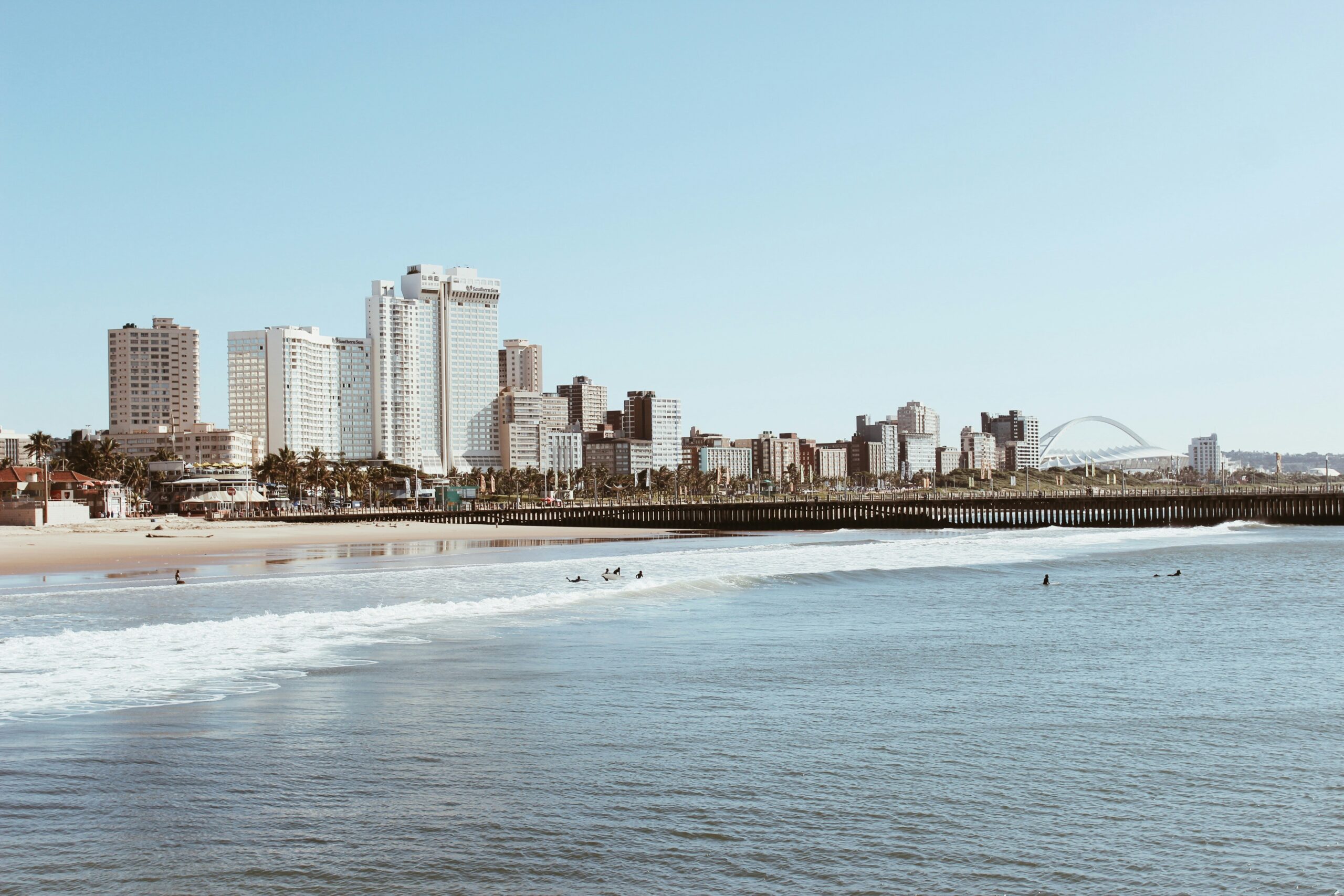
If you own a home in Durban, Richards Bay or anywhere along the KZN coast, you’ll know that maintenance is constant. Between humidity, heavy rain, and general wear and tear, small issues tend to show up more often than you’d like.
The problem is, most home repairs don’t feel urgent at first. A drip here, a crack there – it’s easy to ignore. But over time, those small problems can turn into expensive repairs if they’re not handled early.
Here are ten of the most common home repairs in KwaZulu-Natal – and why they’re worth fixing sooner rather than later.
1. Leaking taps and pipes
A dripping tap is often dismissed as a minor annoyance, but it usually points to worn internal components or pressure issues within your plumbing system.
In some cases, the problem is easy to fix. But if the leak keeps coming back or appears in multiple areas, it could indicate a deeper issue. Hidden leaks are especially problematic, as they can go unnoticed while causing damage behind walls or under floors.
Over time, even a small leak can lead to higher water bills, damp conditions, and structural damage if left untreated.
Why it matters:
Left unchecked, small leaks can lead to water damage, mould growth, and higher utility bills.
2. Damp walls and mould
Damp is one of the most common issues in KZN homes, largely because of the coastal climate. You might first notice it as bubbling paint, discolouration on walls, or a persistent musty smell.
What many homeowners don’t realise is that damp is rarely just a surface problem. It’s usually caused by moisture entering the structure through poor waterproofing, leaks, or inadequate ventilation.
If it’s not addressed properly, damp can weaken walls, damage finishes, and create unhealthy living conditions due to mould growth.
Why it matters:
Damp doesn’t just affect how your home looks – it can damage walls, weaken structures, and create unhealthy living conditions.
3. Roof leaks and ceiling stains
A small water stain on your ceiling might not seem like a big deal, but it’s almost always a sign that water is getting in from somewhere above.
Roof leaks can be caused by damaged tiles, worn waterproofing, or blocked drainage systems. During heavy KZN rains, even a minor issue can quickly become more noticeable.
If ignored, the damage doesn’t stay confined to the roof. It can spread to ceilings, insulation, and even electrical systems, making repairs more complex and expensive.
Why it matters:
Roof leaks can damage insulation, ceilings, and electrical systems if not addressed quickly.
4. Cracked walls
Not all cracks are a cause for concern, but they should never be ignored completely.
Hairline cracks are often the result of normal settling, especially in newer homes. However, larger cracks – or cracks that continue to grow – can indicate movement within the structure.
If you notice cracks widening over time, appearing around doors and windows, or affecting how doors close, it’s worth having them assessed before the issue develops further.
Why it matters:
Ignoring structural cracks can lead to more significant and costly repairs later.
5. Electrical issues
Electrical problems often start small. A flickering light or a plug that doesn’t always work might seem easy to overlook, but these can be early warning signs of bigger issues.
Faulty wiring, overloaded circuits, or worn components can all lead to more serious problems if left unchecked.
Beyond the inconvenience, electrical faults also pose a safety risk. Addressing them early helps prevent damage to appliances and reduces the risk of fire hazards.
Why it matters:
Electrical issues can pose a serious safety risk, including fire hazards if not handled properly.
6. Blocked or slow drains
A slow drain is usually the first sign that something is building up inside your pipes. This could be grease in the kitchen, hair in the bathroom, or debris in outdoor drainage systems.
While it may seem manageable at first, the problem rarely resolves itself. Over time, the blockage can become more severe, eventually leading to a complete backup or overflow.
Dealing with it early is always easier and far less disruptive than waiting for a full blockage.
Why it matters:
What starts as a slow drain can quickly turn into a complete blockage or even a burst pipe if pressure builds up.
7. Peeling paint
Paint doesn’t just affect how your home looks – it also protects surfaces from moisture and wear.
When paint starts to peel or bubble, it’s often a sign that something underneath isn’t right. This could be due to damp, poor preparation, or simply the age of the paint.
Repainting without addressing the underlying issue usually results in the same problem returning within a short period of time.
Why it matters:
Peeling paint often signals moisture issues and leaves surfaces exposed to further damage.
8. Loose or damaged tiles
Tiles can come loose for a number of reasons, including poor installation, moisture penetration, or general wear over time.
While a single loose tile might not seem urgent, it can allow water to seep underneath, especially in bathrooms or kitchens. This can lead to more extensive damage beneath the surface.
Fixing the issue early prevents the need for larger sections to be replaced later.
Why it matters:
Loose tiles can lead to water seeping underneath, causing long-term damage to floors or walls.
9. Worn-out seals and waterproofing
Seals around showers, sinks, windows, and roofs play a crucial role in keeping water out. Over time, these materials degrade and lose their effectiveness.
Once seals start to fail, water can enter areas it shouldn’t, often without being immediately visible. This is one of the most common causes of hidden damage in homes.
Regularly checking and replacing worn seals is a simple step that can prevent much bigger problems.
Why it matters:
Failed waterproofing is one of the biggest causes of hidden damage in homes.
10. Doors and windows that don’t close properly
A door that sticks or a window that doesn’t close properly might seem like a minor inconvenience, but it can point to underlying issues.
In some cases, it’s caused by changes in humidity or temperature. In others, it may indicate slight movement in the structure of the home.
Over time, this can affect not only usability but also security and insulation.
Why it matters:
Poorly fitting doors and windows can affect security, insulation, and long-term structural integrity.
Why acting early makes all the difference
One of the biggest mistakes homeowners make is waiting until a problem becomes unavoidable.
In most cases:
- Small repairs are quicker to fix
- Costs are significantly lower
- Disruption is minimal
Once damage spreads, the scope of work – and the cost – increases.
Final thoughts
Home maintenance isn’t about constantly fixing things – it’s about paying attention to the early signs.
If something doesn’t look or feel right, it’s usually worth investigating. Acting early is almost always the difference between a simple repair and a much bigger project.
Need help tackling these common home repairs?
At Home & Handy, our team provides expert home maintenance services across KZN. From plumbing and electrical repairs to minor renovations and general upkeep, we make sure your home stays safe, functional, and well-maintained. Get in touch today to schedule a consultation.