
Your roof is one of the hardest-working parts of your home – and one of the easiest to neglect, because you rarely look at it. By the time most homeowners realise there’s a problem, water is already coming through the ceiling or damage has built up over months. In KwaZulu-Natal, where roofs face heavy summer rainfall, humid conditions, and salt air along the coast, the stakes are higher than in many other parts of South Africa. Here’s what to look for.
Common Signs of Roof Problems
Water Stains on Ceilings
The most visible sign – and often the one that finally prompts action. A yellowish-brown stain on your ceiling is water that has penetrated the roof and tracked along a rafter or ceiling board before becoming visible. Importantly, the stain is often not directly below the entry point. The source of the leak may be some distance away, which is why roof repairs require proper diagnosis, not just patching around the visible stain. Roof condition is also one of the key things to assess when thinking about improving your property’s value before a sale.
Loose, Shifted, or Damaged Roofing Materials
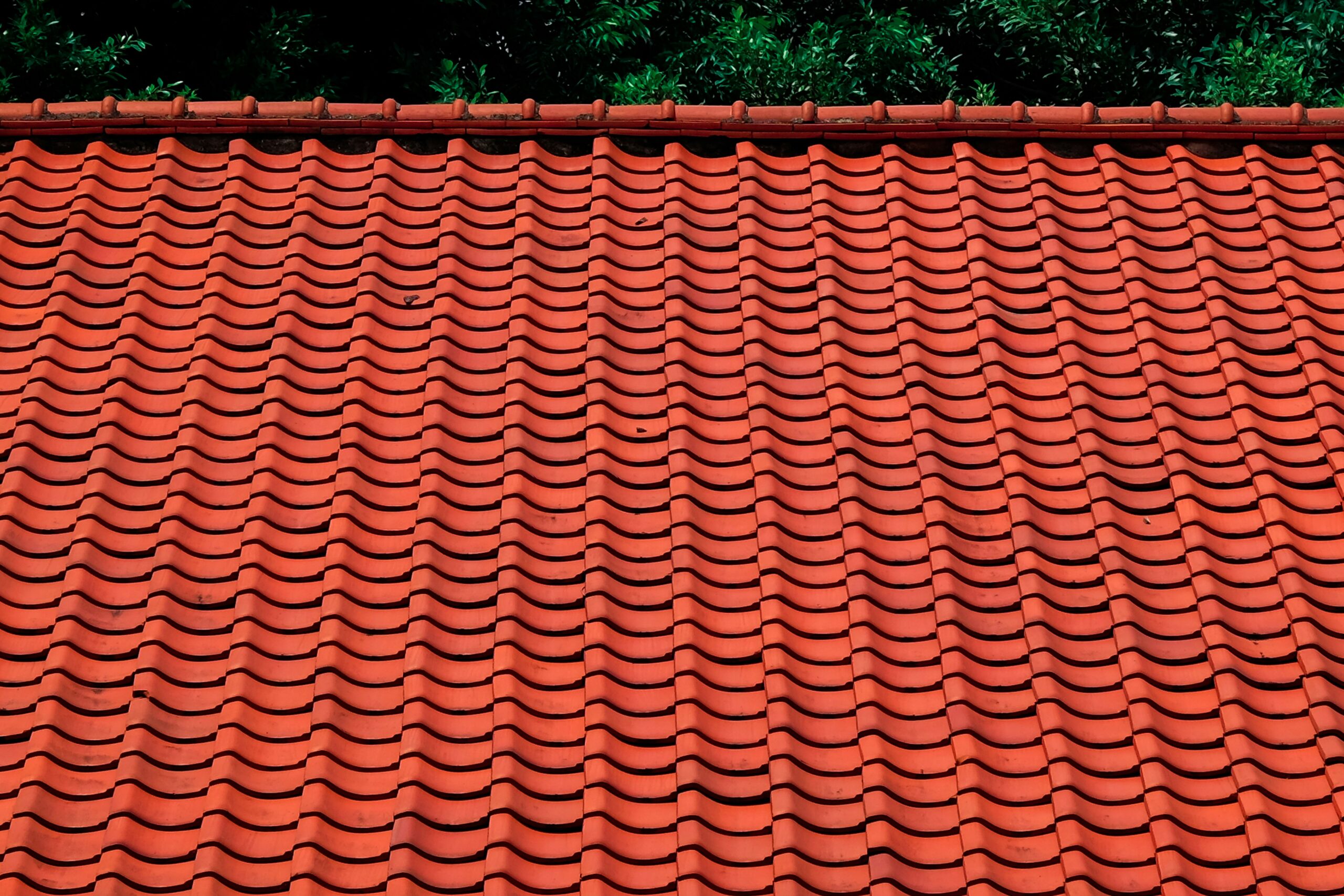
On tiled roofs, individual tiles can crack, slip out of position, or break – particularly after severe weather or as pointing deteriorates with age. On IBR or Chromadek sheeting, screws can work loose and the washers seal can perish, creating entry points for water. Walk the perimeter of your home and look up – visible damage is worth acting on before the next heavy rain.
Sagging Areas
A sagging area on the roof surface or in the ceiling below it can indicate water damage to the structural timber, rot in the roof decking, or a failing ceiling board holding collected water. This is a serious sign that requires immediate professional inspection – it’s not something to monitor and review later.
Blocked or Damaged Gutters
Gutters that are blocked with leaves and debris cause water to back up and overflow. This water runs down the fascia boards and external walls rather than away from the structure, accelerating damp and paint failure. Gutters that are pulling away from the roof edge or cracked are directing water where it shouldn’t go. Clear and inspect gutters at least twice a year in KZN — more frequently if you have trees overhanging the roof.
Granule Loss on Tiles or Coat
On older tiled roofs, the protective surface layer degrades over time. Sand or granule debris collecting in gutters is a sign the tile coating is breaking down. This accelerates water absorption into the tile itself, reducing its lifespan and increasing the risk of cracking in cold conditions.
Why Coastal Conditions Make This Worse
Salt air in coastal KZN doesn’t just affect metal surfaces – it degrades tile pointing, accelerates paint failure on fascia boards, and causes premature corrosion of any metal roofing components. The regular heavy rainfall that KZN receives means any existing weakness in the roof is tested frequently. Wind during storms can also lift or shift roofing materials that are already marginal. Roofs in Durban and the surrounding coastal areas need more frequent attention than those in dry, inland regions.
Preventative Roof Maintenance
- Inspect the roof from the ground at least once a year – after winter is a good time
- Clear gutters at least twice a year, or after significant storms
- Address any loose tiles, damaged pointing, or failed sealant at penetrations promptly
- Don’t walk on a roof unless you know it’s safe to do so – get a professional inspection
Noticed signs of roof damage at your KZN property? At Home & Handy, we provide professional roof inspections and repairs across KwaZulu-Natal. From loose tiles and blocked gutters to waterproofing failures, we identify the problem and fix it properly. Get in touch today to book an inspection.