
One of the most common – and most costly – mistakes in home renovation is doing things in the wrong order. Starting with cosmetic work before structural issues are resolved means you’ll likely redo it. Painting before the tiling is done means paint gets damaged. Tiling before plumbing changes are finalised means tiles come up. The sequence of a renovation matters enormously, and getting it right saves money, time, and significant frustration.
Step One: Deal With Structural and Moisture Issues
Fix the fundamentals first. For a full walkthrough of what to expect during a renovation from start to finish, our step-by-step guide covers the whole process.
Step Two: Major Structural Changes and Layout Work
If the renovation involves changing the layout – removing or adding walls, creating new openings, changing the position of doors – this comes next, while the space is still at a stage where structural work won’t damage finished surfaces. Any changes that require council approval or structural engineering sign-off should be in process from the beginning of the project, not mid-renovation.
Step Three: Rough-In Plumbing and Electrical
Before walls are closed up, all plumbing and electrical runs that go behind surfaces need to be in place. Moving waste pipes, installing new supply lines, routing electrical conduit, and positioning outlet back-boxes all happen at this stage. Once walls are plastered and tiled, accessing or changing anything behind them is expensive and disruptive. Getting the rough-in right, with positions confirmed before closing up, is essential. This is also when geyser replacements, DB board upgrades, and any gas fitting should happen.
Step Four: Plastering and Surface Preparation
Once all the work behind walls is complete, any areas that have been opened up are replastered and allowed to cure properly. New plaster needs adequate curing time before painting — typically 28 days, though this varies by product and conditions. Rushing this phase leads to paint and tile adhesion failure. In KZN’s humid conditions, allow extra time and ensure ventilation.
Step Five: Tiling
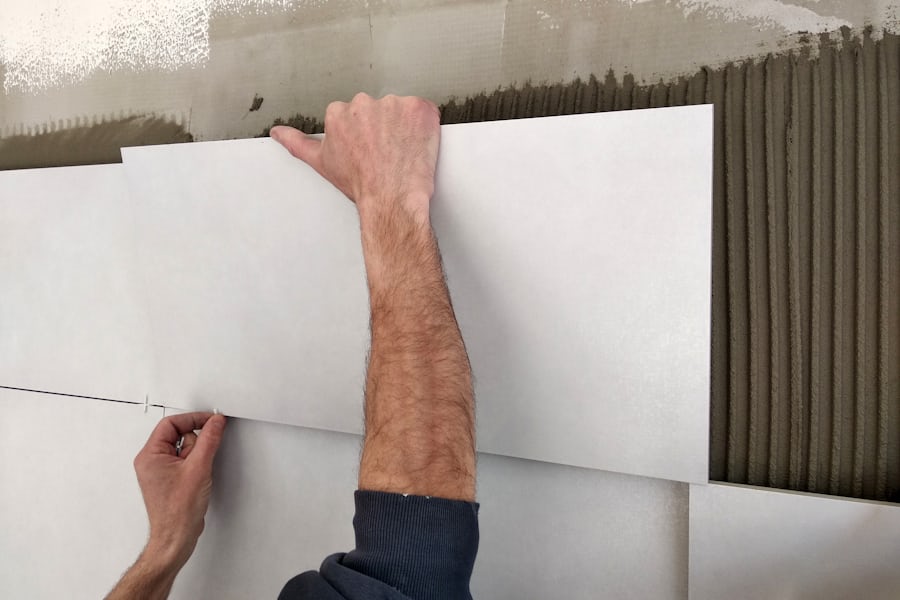
Tiling comes before painting in wet areas. Get the tiles in place, grouted, and properly cured before painting adjacent surfaces. This avoids paint contamination on fresh grout and allows any adjustments to tile edges or trim to be made without damaging finished paint. In bathrooms, waterproofing must be correctly applied and inspected before any tiling begins.
Step Six: Joinery, Carpentry, and Fittings
Built-in cupboards, vanities, kitchen cabinets, and other joinery are installed once tiling is complete. Countertops are templated and fitted after cabinets are in place. Sanitaryware – basins, toilets, baths, shower enclosures – is installed at this stage.
Step Seven: Painting
Final painting comes after tiling, joinery, and all the work that creates dust and debris. Paint walls and ceilings, then cut in around fitted items. Skirting boards are often painted in place after installation and touch-ups applied at the very end.
Step Eight: Finishing Touches
Light fittings, switches, taps, towel rails, mirrors, and all the items that complete the space are installed last. Sealant is applied where surfaces meet. A final clean, a final punch-list walkthrough, and the space is done.
Want to make sure your renovation is done in the right order, by the right people? At Home & Handy, we manage the full renovation sequence across KwaZulu-Natal. We coordinate trades, manage timelines, and make sure every stage happens in the right order so nothing needs to be redone. Get in touch today for a quote