
There’s real satisfaction in fixing something yourself. A trip to the hardware store, a YouTube tutorial, and a free Saturday afternoon — it feels like a win before you’ve even started. And for the right jobs, it absolutely is. But for the wrong jobs, DIY can turn a small problem into a much bigger and more expensive one. Here’s how to know the difference.
When DIY Makes Sense
Some tasks are genuinely suited to a capable homeowner. The common thread is that they’re low-risk, easy to reverse if something goes wrong, and don’t involve structural, electrical, or plumbing systems. Good candidates include:
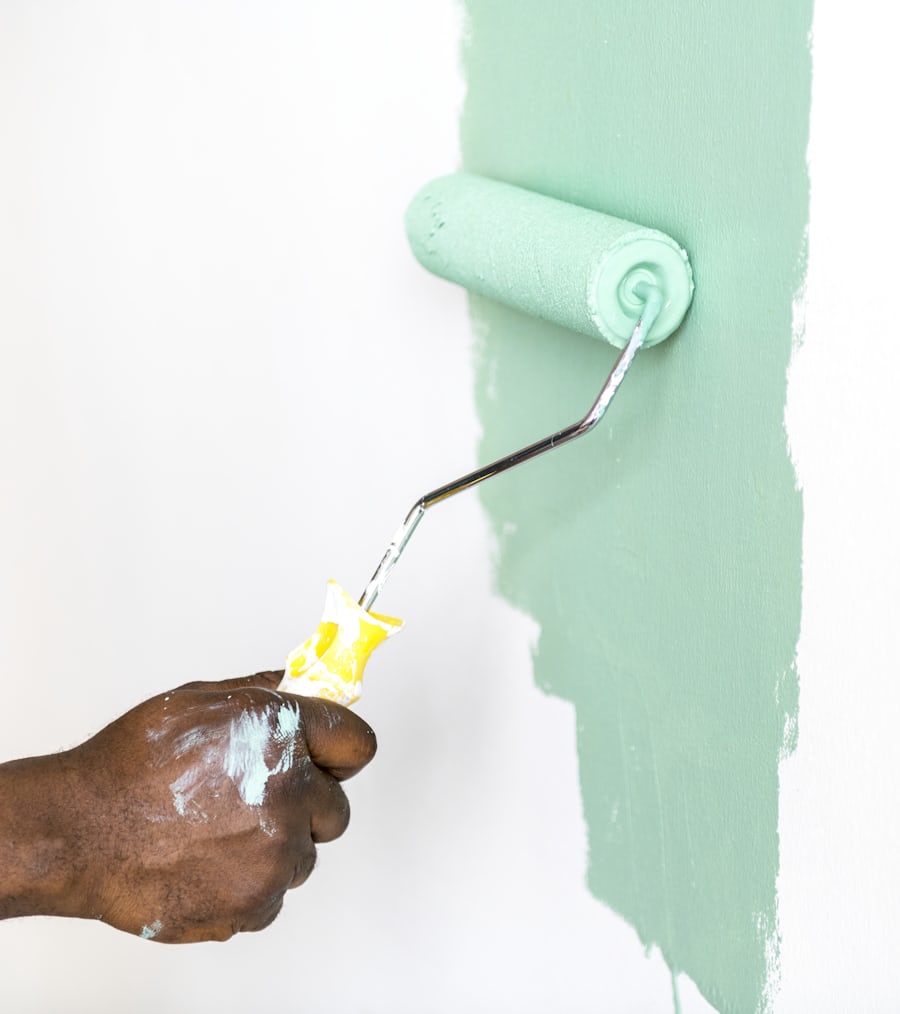
- Painting a small room (with proper prep)
- Replacing cabinet handles and door hardware
- Minor patching and cosmetic touch-ups
- Basic garden maintenance and outdoor tidying
- Assembling flat-pack furniture
These are manageable, the consequences of a mistake are limited, and the cost of materials is low. Go for it.
When to Call a Professional
Plumbing Beyond the Basics
Poor plumbing work can cause leaks inside walls, water damage to ceilings and floors, and mould growth that takes months to properly remediate. Our 2026 handyman cost guide gives you a realistic picture of what professional plumbing repairs cost across KZN.
Any Electrical Work
Electrical repairs carry real safety risks, and this is not an area where good intentions make up for a lack of knowledge. Incorrect wiring can cause tripped circuits, appliance damage, or fire. In South Africa, certain electrical work legally requires a Certificate of Compliance — which you can only get from a qualified electrician. If your issue involves the DB board, wiring behind walls, or any kind of fault diagnosis, always call a professional.
Waterproofing and Damp Issues
Done properly, it lasts years. Done inadequately, it fails within a season.
Structural Repairs
Cracks in walls, sagging ceilings, movement in floors — anything that might affect the structural integrity of your home needs professional assessment before any repair work begins. Getting this wrong doesn’t just cost money. It can compromise the safety of the building.
The Hidden Cost of DIY Mistakes
The financial case for DIY often looks better on paper than it turns out to be in practice. Consider the full picture: the cost of tools you’ll buy once and rarely use again, the materials you’ll replace after a mistake, the hours invested if the job takes three times longer than expected, and — most commonly — the professional you end up calling anyway to fix what went wrong. What starts as a saving frequently becomes an added cost.
Time Is Also a Cost
A job that takes an experienced handyman two hours might take you a full day — assuming it goes smoothly. Your time has value. For straightforward jobs on a weekend, that trade-off might be fine. For anything more complex, it’s worth factoring in honestly.
A Practical Rule of Thumb
Handle simple, low-risk tasks yourself. Bring in a professional when the job involves safety, plumbing or electrical systems, structural elements, or anything where a mistake will be expensive to correct. If you’re genuinely unsure which category a job falls into, that uncertainty is usually a sign to make a call.
Not sure whether to tackle it yourself or call someone in? Not sure if your job needs a professional? Call us and we’ll give you an honest answer — even if it means telling you to do it yourself. At Home & Handy, we handle the jobs that are best left to a professional — plumbing, electrical, waterproofing, structural repairs, and everything in between. We cover KwaZulu-Natal. Get in touch today.