Emergencies don’t give you notice. A burst pipe, a sudden roof leak during a summer storm, an electrical fault – they arrive at the worst possible times and demand a response before you’ve had a chance to think. You don’t need to fix the problem yourself, but knowing how to stabilise the situation before help arrives can make a significant difference in how much damage occurs and how much the repair ultimately costs.
Here’s what to do in the most common home emergencies in KZN.
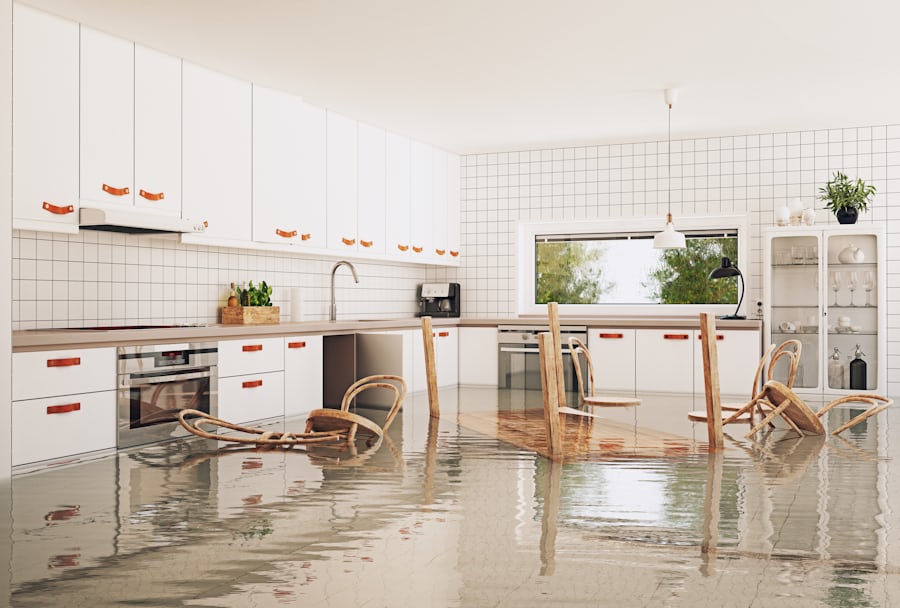
Burst Pipes or Major Water Leaks
The first priority is always to stop the water. Locate your main water supply stopcock – if you don’t know where it is, find it now, before you need it in a panic. Once the water is off, open taps to relieve any remaining pressure in the pipes. Move valuables, electronics, and documents away from the affected area. If water is coming through a ceiling, the ceiling may be holding a significant amount – place buckets carefully and be ready for it to come through quickly. Do not attempt to open a bulging ceiling with your hands. Knowing how often to check your home can help you catch the early signs – a ceiling stain, a slow drain – long before they become an emergency.
Electrical Issues
If you suspect an electrical fault – burning smell, sparking, flickering that’s suddenly worsened, or an unusual shock from a switch – switch off power at the main DB board immediately. Don’t use the affected switch or fitting again until it’s been inspected. Keep the area dry — water and electricity together are extremely dangerous. If there’s a fire risk, get everyone out and call emergency services. Don’t try to diagnose or repair any electrical fault yourself.
Roof Leaks During Heavy Rain
You can’t repair a roof in the middle of a storm, but you can limit the damage inside. Place buckets or containers under drips. Move furniture, rugs, and valuables away from the affected area. If you have plastic sheeting, lay it on the floor under the leak and, if you can safely do so from inside, over furniture near the area. Note exactly where the water is coming in – this helps the repair team identify the source point more quickly when they arrive.
Blocked Drains or Overflow
Stop using any water that feeds into the blocked drain immediately – sinks, showers, or toilets. If the overflow involves a toilet, do not flush again. Contain any overflow with towels or buckets and keep people away from the area if there’s any possibility of sewage involvement. Avoid pouring chemical drain cleaners into a drain that’s fully blocked – they can cause problems if a plumber then needs to work on the pipe.
Gas Leaks
If you smell gas, do not operate any switches or electrical appliances. Don’t light any flames. Open windows and doors to ventilate the space, close the gas supply valve if you can do so safely, and get everyone out of the building. Call your gas supplier’s emergency line from outside.
Why Quick Action Reduces Repair Costs
Water damage compounds fast. What starts as a manageable leak can become a ceiling collapse, a floor replacement, or a mould remediation project if the source isn’t stopped and the area isn’t dried out promptly. Electrical faults that are left can cause fires. The goal in any home emergency is to stabilise – stop things from getting worse – until qualified help arrives.
Need emergency home repairs in KZN? At Home & Handy, we respond to emergency callouts across KwaZulu-Natal. Whether it’s a burst pipe, a roof leak, or an electrical fault, we’ll get there and get it sorted. Save our number and call us when you need us – we cover all of KZN.