
If you live in Durban, Pietermaritzburg, or anywhere along the KwaZulu-Natal coast, waterproofing isn’t a nice-to-have – it’s essential maintenance. The combination of heavy seasonal rainfall, high humidity year-round, and salt-laden coastal air creates conditions that are unusually harsh on buildings. Moisture finds its way in through surfaces that would remain perfectly dry in an inland climate. And once it’s in, the damage builds quietly, often invisibly, until it becomes expensive.
What Waterproofing Actually Is
Done properly, it protects the structural integrity of your home and prevents the chain of problems that moisture causes – damp, mould, rot, and ultimately costly structural repairs. It forms a critical part of any home maintenance routine – not something to address only when problems appear.
Signs Your Home Needs Waterproofing
Most homeowners only act once damage is visible. By that point, the problem has usually been developing for a while beneath the surface. Watch for these early warning signs:
- Damp patches or discolouration on walls or ceilings
- Paint that is peeling, bubbling, or blistering
- A persistent musty smell inside, especially after rain
- Visible mould growth on walls, in corners, or under windowsills
- Water stains appearing after heavy rainfall
Any of these is a sign that moisture is already getting in. Acting on early warning signs is always significantly cheaper than waiting for the damage to progress.
Why KZN Conditions Make This Especially Important
KwaZulu-Natal’s climate is one of the most demanding in South Africa when it comes to building maintenance. Humidity levels are high for much of the year, not just during the wet season. Durban’s coastal position means buildings are exposed to salt air, which accelerates the degradation of paint, sealants, metal fixtures, and exposed surfaces. The region’s rainfall is also intense – not a steady drizzle, but heavy, fast-falling rain that tests the waterproofing of roofs, walls, and drains quickly. Homes that would stay dry in Johannesburg or Cape Town can develop moisture problems in KZN without proper protection.
Where Waterproofing Matters Most
Roofs
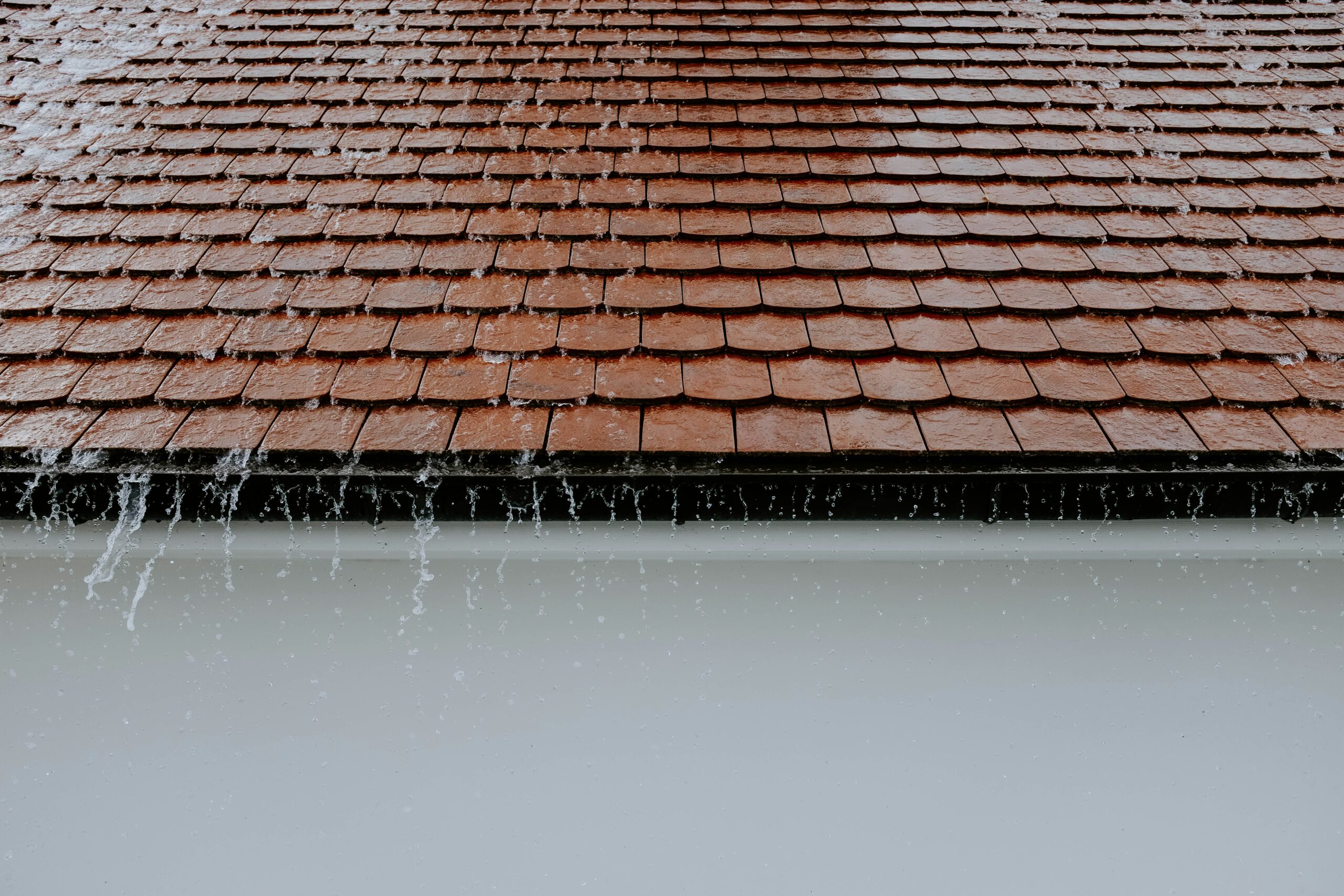
Your roof is the primary barrier against rain. Any cracked tiles, deteriorated pointing, or damage around penetrations (pipes, vents, skylights) creates a path for water to enter – often tracking some distance from the original entry point before it becomes visible inside.
Bathrooms and Wet Areas
Bathrooms are exposed to water constantly, and the consequences of inadequate waterproofing compound over time. Water gets into the substrate under tiles, behind walls, and under floors. Eventually it causes tiles to lift, walls to soften, and floors to rot. In a coastal environment, this process is faster than most homeowners expect.
Exterior Walls
Render cracks, deteriorating paint, and porous masonry all allow moisture to penetrate exterior walls. Salt air accelerates this process in coastal suburbs. Rising damp from ground level is also a common issue in older KZN homes.
Balconies and Flat Roof Areas
These surfaces collect and hold water. Without proper fall (slope) and sound waterproofing membranes, flat areas are among the most common sources of water ingress in KZN homes.
Professional vs DIY Waterproofing
DIY treatments frequently fail because they address the visible surface without treating the cause. Staying on top of routine maintenance is what catches early warning signs before waterproofing fails entirely.
Dealing with damp, leaks, or waterproofing failure in your KZN home? At Home & Handy, we provide professional waterproofing services across KwaZulu-Natal. From roofs and balconies to bathrooms and exterior walls, we treat the cause, not just the surface. Get in touch today to book an assessment.